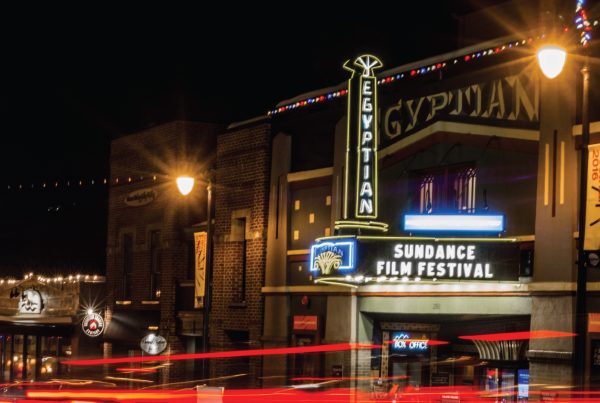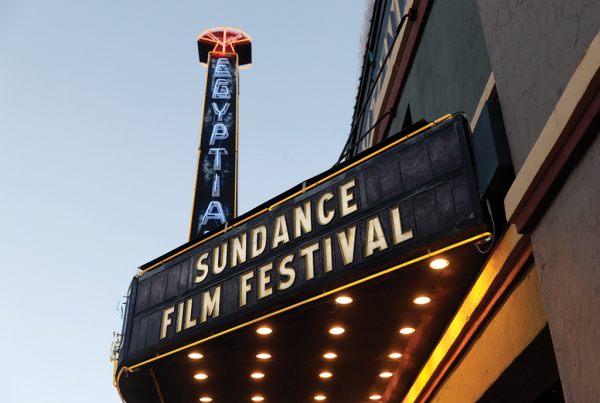

The Last First: Winter K2, directed by Amir Bar-Lev, kicked off the 2026 Sundance Film Festival on January 22nd at The Ray theater. The harrowing documentary recounts the deadly disaster on K2, the world’s second-highest mountain, that claimed the lives of five very experienced climbers in 2021. People had reached the top of K2 in summer, which is climbing season, but the documentary follows the first successful attempt to summit it in winter. With terrain consisting of extreme steeps, technical climbing sections and notorious narrow passages, it’s a mountain that challenges even seasoned summiters. Add in avalanches and extreme cold, and it’s no wonder the mountain has killed over 100 people.
The film paints a picture of excitement and national pride as three groups begin a common mission: to bag the “last first” in the world of mountaineering. Bar-Lev and his team blended footage from the expeditions with interviews from some of those involved, creating an enthralling and balanced narrative that examines the dangers of commercialized travel in some of the world’s most dangerous areas.
As someone who is outdoorsy but not a mountaineer (maybe one day, but for now, I’m content with my resort ski days), I found the film to be an approachable watch. Having read Everest, Inc., Will Cockrell’s book chronicling the commercialization of summiting Mount Everest, I entered the theater with a baseline understanding of what it takes to reach the top. However, even without that knowledge, the film would be easy to follow. The Last First never gets too technical but also never oversimplifies things. And, despite including several perspectives, the story never gets lost—viewers always know where they’re at in the timeline. That’s not always easy to do.
When one of the teams reaches the summit, the film begins to gain momentum. The other groups learn of the achievement and their determination intensifies. They continue their push despite deteriorating weather and an already narrow window of safe conditions. It’s important to note that not everyone on the mountain was an experienced climber; some were tourists who had paid a guiding company to lead them. The film deliberately avoids scrutinizing the tourists themselves and instead focuses on the decisions made by the company they’d hired, a choice that feels fair.
One of the more alarming revelations is that several guided climbers continued upward without tents—an essential safeguard against K2’s lethal nighttime temperatures. Why they lacked tents remains unclear, but the guiding company could almost certainly have done more to ensure their clients were properly equipped. That oversight alone may have contributed to the dangerous circumstances that ultimately cost experienced climbers their lives.
The film doesn’t assign blame, but it does raise larger questions about whether guiding companies should operate in such extreme environments and whether stricter regulations should govern who attempts climbs like K2. I’ll leave that for you and your outdoor crew to unpack.
Overall, the film was very well thought out, and I resonated with the objective journalistic approach that was taken. I appreciated the inclusion of a variety of perspectives and the way the filmmakers wrapped up the story with a nice bow, which I won’t spoil.
More from Mariah Maynes: Four Capitol Reef Airbnbs to Base Your Next Adventure
Read more of our Sundance festival stories and enjoy all of our Arts and Culture coverage. And while you’re here, subscribe to our print magazine and get six copies a year of Salt Lake magazine.