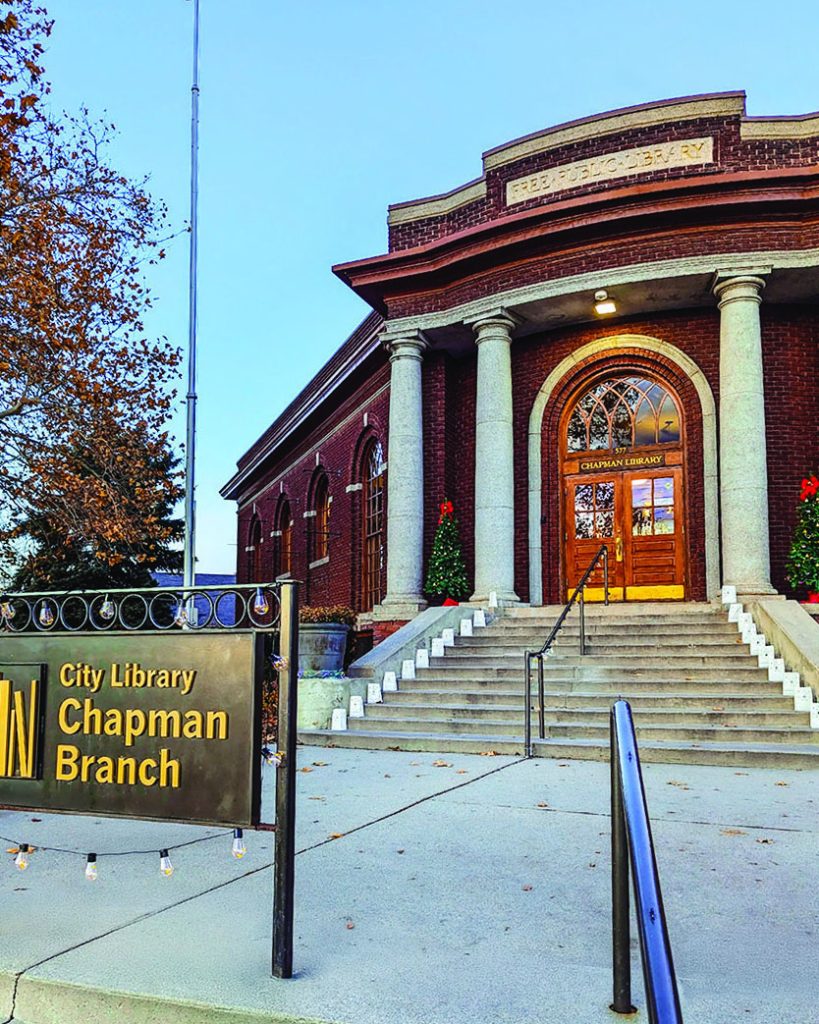
The Chapman Library in Salt Lake has transformed the traditional Mexican Christmas ritual into a celebration for everyone.
Las Posadas is a holiday celebration popular across Latin America. Based on the story of Mary and Joseph looking for shelter during the birth of Jesus, it usually involves a procession from house to house like a band of carolers, with the posada party being refused twice before being given entry and feted with traditional decorations (farolitos, poinsettias, papel picado, star-shaped piñatas) and food (tamales, bizcochos, churros, hot chocolate).
Although religious in origin, posadas are celebrated as a wider community gathering of culture and family. At the Chapman Branch library in Salt Lake, where 50% of the patrons speak Spanish as their first language, the posadas celebration is entirely secular, but based on the universal story of an unhoused couple desperately seeking a home for the night.
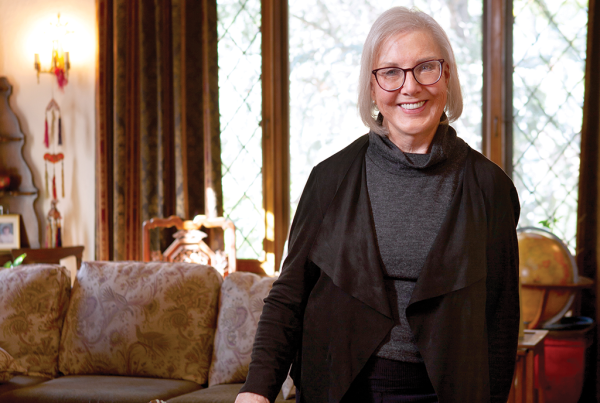
We spoke with Chapman’s Children’s Librarian Gracie Mora, who started the event a decade ago.
Bringing Las Posadas to Utah
“Las Posadas came about 10 years ago. I grew up in El Paso, Texas. I was a part of it, I played the part of Mary. We would do it nine days in a row, starting on December 16th. We’d go to the different parts of the neighborhood, asking for shelter.
The third house was the one that would let us in and give us tamales, a piñata. We
would do the chants.”
“We call it a cultural, traditional, family program. What I did for the library, I wanted to bring it so that the community can get together. Not just the Hispanics, but for everybody. I want to have Las Posadas, because it’s the inn. It’s something we are giving. We welcome people. I started seeing that maybe this program will work here. We can introduce it to those who don’t have it. Like Cinco de Mayo and those kinds of celebrations.”
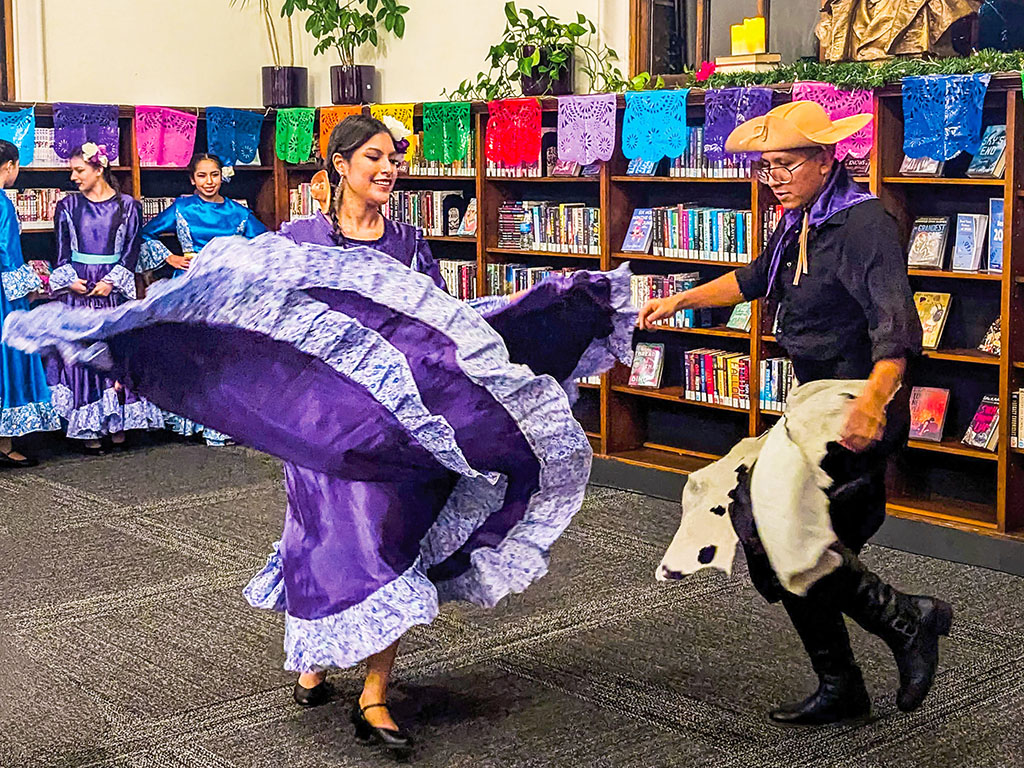
“I wanted to do the chants asking for shelter. We cannot get away from those. People like the procession. We do the chants outside, people sing, and we have hot chocolate and cookies. We have performers and traditional dancers. It’s a fiesta where we gather people to come together. People see the togetherness, the community engagement, talking to each other.”
“The holidays are just so busy anyway, with a lot of commercialism. I think that this program will bring them to spend some peaceful time together. You think about unsheltered people. We don’t turn people away. There are people who are unsheltered who come. We give them what we have.”
“Looking for housing, it’s a universal story. We see it around us. Every day, people are asking for shelter. We’re trying to welcome everyone.”
Read more stories like this and all of our Community coverage. And while you’re here, subscribe and get six issues of Salt Lake Magazine, your curated guide to the best of life in Utah.