
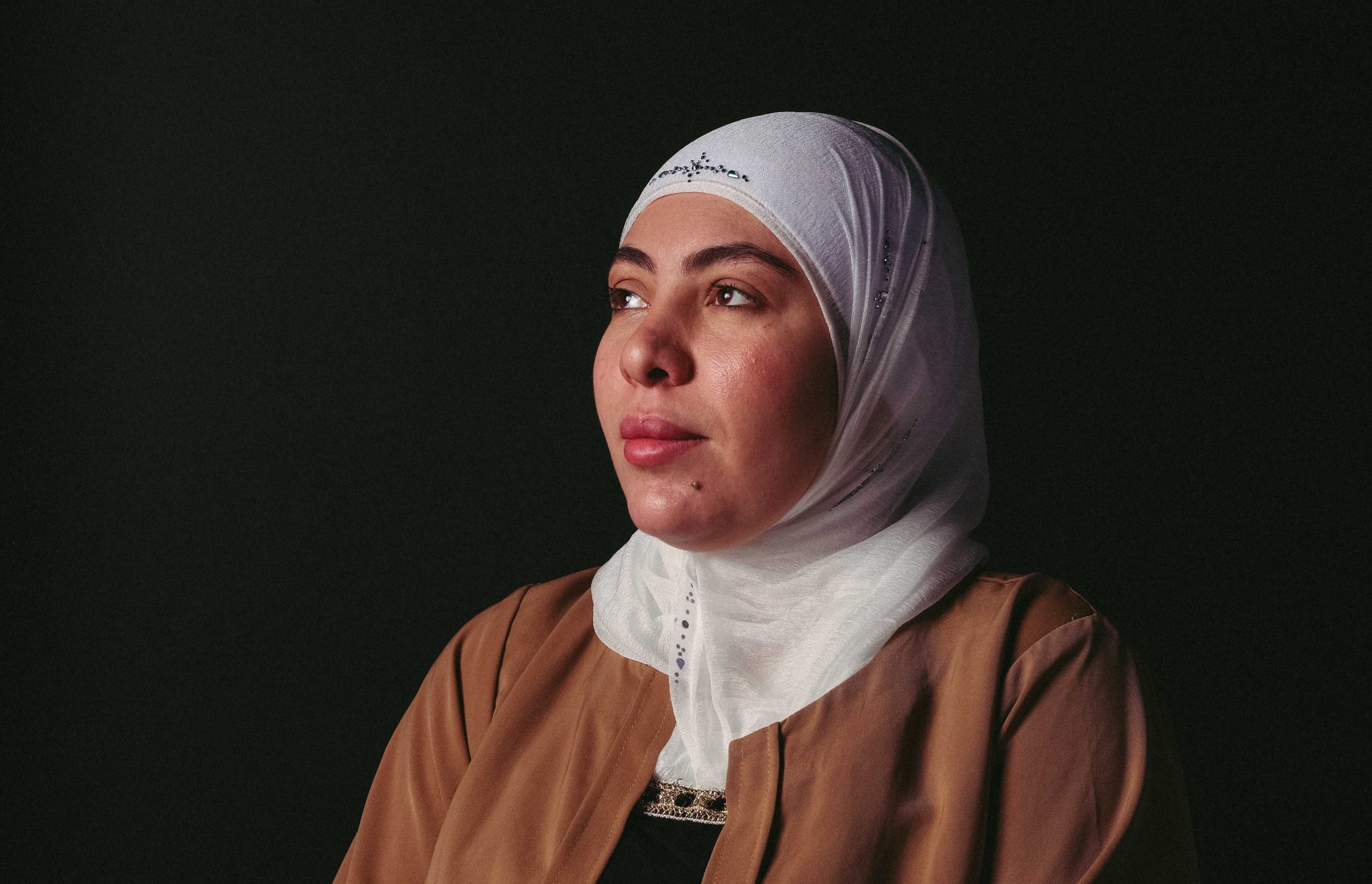
They represent hundreds of refugee women who arrive in Utah bearing the scars of war, political violence, or grinding poverty — along with a quiet determination to build lives that extend beyond mere survival. In their home countries, many were integral to family food businesses — skilled cooks working in market stalls and restaurants. But without formal credentials, their talents often go untapped, sidelined by language barriers, regulatory obstacles, and the complexities of an unfamiliar food economy. The mission of the RISE Culinary Institute is to change that—transforming hard-won skills into opportunity.
“The vibrance of our city depends on newcomers being able to create and thrive — not just survive,” says Lavanya Mahate, owner of Saffron Valley Restaurants and founder of RISE, a nonprofit culinary certification program designed for refugee and immigrant women. Still in its early stages, the three-month training program has served fewer than 100 women, but its reach is growing, buoyed by support from institutions like the Church of Jesus Christ of Latter-day Saints, Zions Bank and the Dolores Doré Eccles Foundation.
“The program is just getting started,” Lavanya said recently at a ceremony honoring RISE’s second graduating class of 20 students. “But my hope is to give each woman independence and the power of choice — maybe for the first time in her life — to own her own story.”
She points to Utah’s increasingly global food scene as evidence of what’s possible — her own restaurant, Saffron Valley, among them. “I see myself in them,” Lavanya remarked of the graduates.
After arriving from India in the early 2000s, Lavanya, here on a limited visa with her husband, was unable to obtain a work permit. Instead, she went to graduate school, earning two master’s degrees before leaving a difficult marriage. She then found work at the Salt Lake Chamber, helping women launch businesses, an experience that inspired her to open her own restaurant in 2018. Less than 10 years later, in 2024, she was named Utah Business Owner of the Year.
Looking back at her work with the Chamber, Lavanya says she recognized a pattern working with immigrant women: without local experience, language skills, or familiarity with U.S. food regulations, even those with extraordinary culinary ability were set up to fail.
“They needed English, literacy, and an understanding of food standards here,” she says. It stirred in her a desire to help. “I want them to succeed, I want to honor the value they already bring and I want to help them stand tall on their own two feet.”
Meet three of RISE’s recent graduates >>
Stephanie: Bogota, Columbia
At 13, Stephanie began work in her mother’s seafood restaurant in Colombia, learning the rhythms of a kitchen from a young age. Arriving in the United States decades later, she carried with her a dream of opening a place of her own. But as a single mother, she quickly ran into familiar barriers — certification programs she couldn’t afford and a job market that offered little room for the skills she already possessed. She took other work instead.
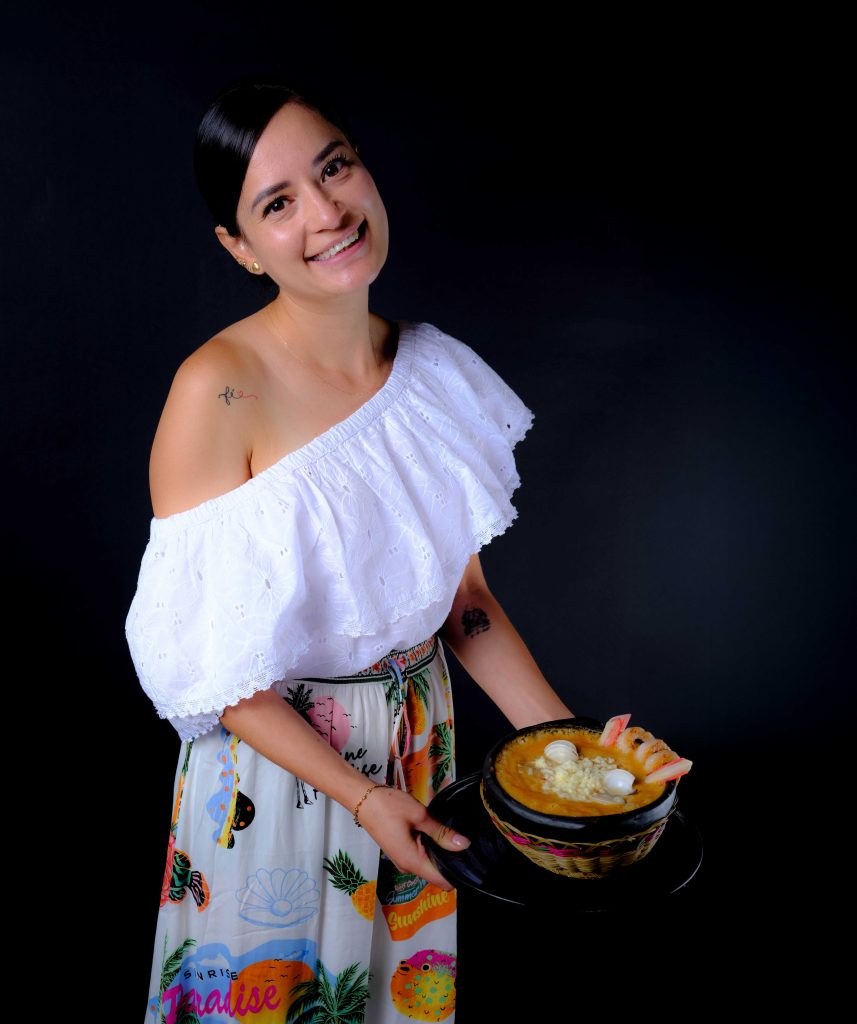
On weekends, though, her cooking found an audience. Friends and acquaintances began seeking out her Colombian dishes, especially cazuela de mariscos, a richly seasoned seafood stew served with coconut rice, fried plantains, vegetables and a generous mix of octopus, shrimp, conch, and clams.
“Everyone who tries it really enjoys it,” she says. “I love sharing Colombian food — showing a piece of my culture. There are so many traditional dishes that people here don’t know about. Cooking is how I bring a little bit of Colombia to Utah.”
Now, she hopes to finally make that long-held restaurant dream a reality. Through RISE, the path feels possible. “Moving to another country is hard—the language, the culture,” Stephanie says. “But those challenges shape who we are. When something doesn’t work out, I believe it’s God telling me I’m meant for something different.” Each setback, she says, has made her stronger. “Cooking is my gift. People love my food. That feels like my sign that it’s time to open my own restaurant.”
Haneen: Bagdad, Iraq
Haneen arrived in Utah in 2022 with her husband and two young daughters, leaving behind her beloved country when staying became impossible—her safety evaporated as she watched friends and loved ones killed during another surge of violence a few years ago. “My area had become dangerous,” she says. “The government was not safe. My kids were not safe.”
Leaving wasn’t a choice so much as a necessity. America offered refuge, but not ease. Everything was unfamiliar: the language, the culture, even the food. Back home, cooking had been second nature. Haneen grew up in kitchens, working alongside her family in her uncle’s restaurant, learning the unspoken rules of kitchen life. In Utah, that knowledge didn’t automatically translate. The rules were different. The systems were different. And just as she was trying to find her footing, she welcomed a third daughter in 2023.
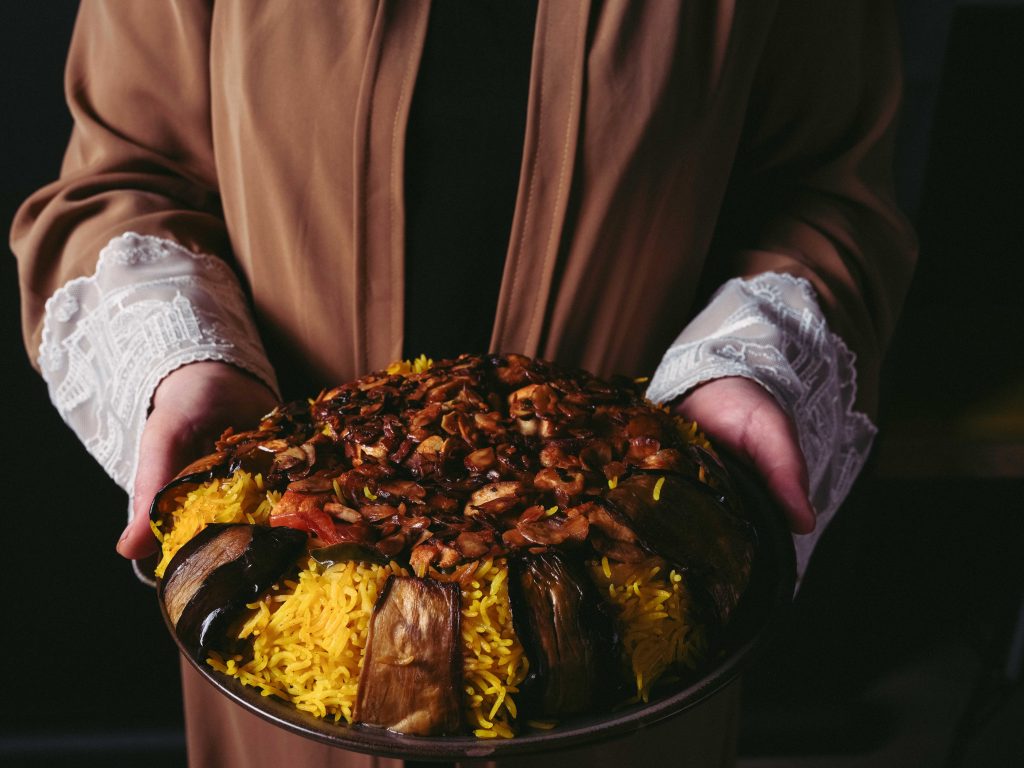
“It was hard to get a job and make money in food,” she says. “But I am hard-working, and RISE helped me learn what I needed to know to work with food in Utah — which is different from working with food in Iraq.” With training, she learned commercial kitchen safety standards and procedures — the small but critical details that turn home cooking into a viable livelihood.
The payoff came when she got a job at a local Greek-inspired bakery, Sheer Ambrosia, where Haneen now makes one of her favorite Arabic sweets: malfouf, also known as Burma baklava. Rolled, layered, and soaked in syrup, it’s a dessert that rewards patience — an apt match for its maker.
“It’s taken time to feel at home,” she says simply. “But doing what I love helps a lot. I love to make sweets.” One day, she hopes to open her own bakery, filled with Arabic pastries — proof not just of survival, but of arrival.
Nelia: Mariupol, Ukraine
Nelia’s home city of Mariupol sits near Ukraine’s border with Russia, making it among the first to be bombed when the invasion began in early 2022. “Many people died from the bombings, including my grandmother,” she says in careful, fragmented English. Her eyes drift to her translator, who steps in when needed. Those who survived, she explains, fled. “I left with my mom, my 10-year-old son and my sister.”
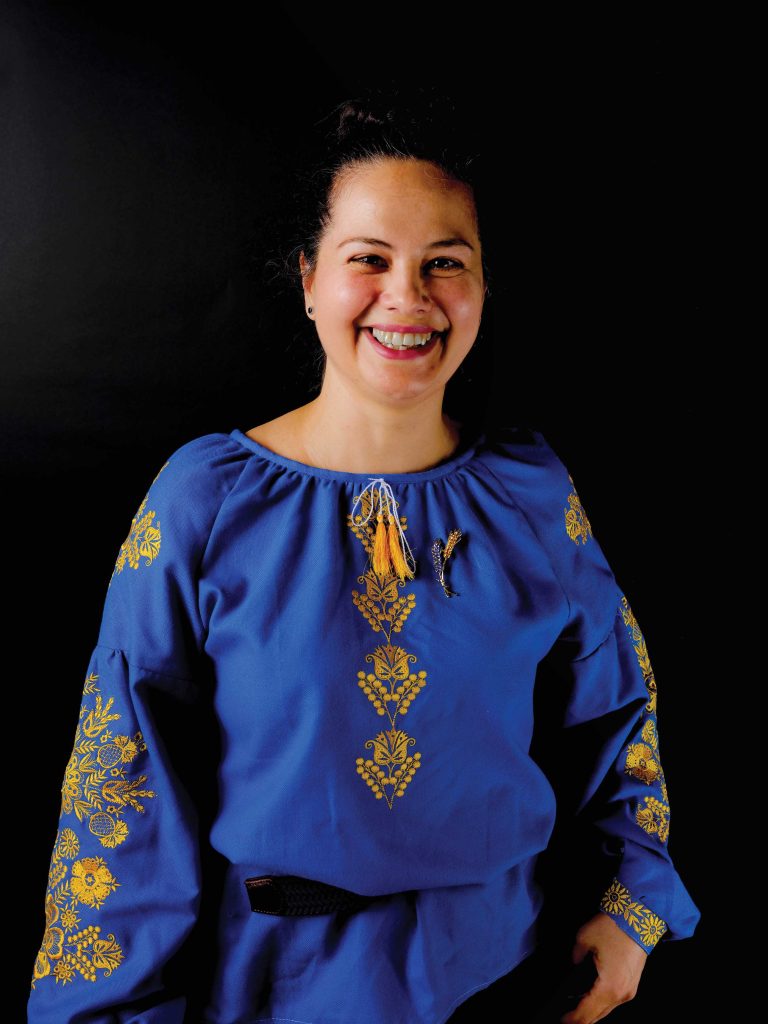
The escape stretched on for months. Nelia describes driving ten days across Ukraine to reach the Romanian border, then waiting another 48 hours in a desperate line of cars to leave the country. They traveled to Albania, staying for three months with a friend-of-a-friend, then made their way to Poland, and finally, received refugee status in the United States. Last June, they arrived in Utah, sponsored by a family in Spanish Fork and welcomed by fellow members of their faith.
Once settled, Nelia began looking for work. “I have enjoyed cooking since childhood,” she says. “I wanted to do it for work, but found it difficult to understand the customs in the United States.” Food, she says, has been one of the few constants she could carry with her. It was while searching for a way back into kitchen work that a member of the Utah Refugee Center suggested Nelia apply for the RISE program.
The suggestion changed everything.
“Now that I have my certificate, I have two job offers: one at a restaurant and one cooking food for events,” she says.
Nelia takes pride in Ukrainian cuisine and hopes to expand her services to include it for events. Speaking particularly about the familiar soup, borscht, which is often mistaken in Western cultures for Russian origin, she clarifies: “Borscht has beets,” she says as a point of importance — even national pride — contrasting it with Russia’s shchi, a cabbage-based soup. She also loves making chebureki, a Ukrainian meat pie traditionally baked in clay pots in a wood-fired oven.
“I’m so glad I did RISE,” she says. “It’s opened new opportunities for me and has given me a wider range of options for working in the kitchen.”
The Dishes
Stephanie’s Encocado de Mariscos
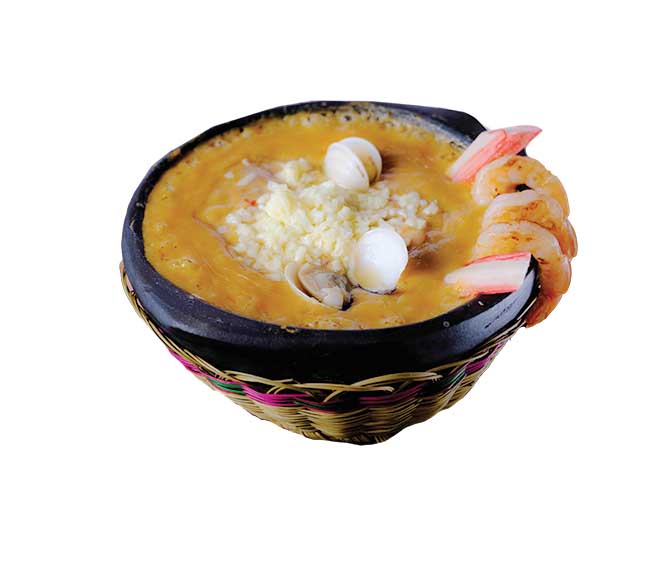
Stephanie’s Encocado de Mariscos — a coconut seafood stew — is a celebration of Colombia’s vibrant coastal life. Its rich aroma of coconut, garlic, and cilantro takes her back to seaside kitchens filled with laughter and music. Cooking this dish allows her to relive the rhythm of her homeland and share the joy that comes from feeding others.
Haneen’s Maqluba
Haneen’s Maqluba, Iraq’s beloved “upside-down” rice and eggplant dish, is as beautiful as it is symbolic. Layered with care and flipped with pride, it represents transformation and hope. For Haneen, cooking is a grounding ritual — connecting her to her roots and reminding her that beauty often comes from patience.
Nelia’s Chicken Pie
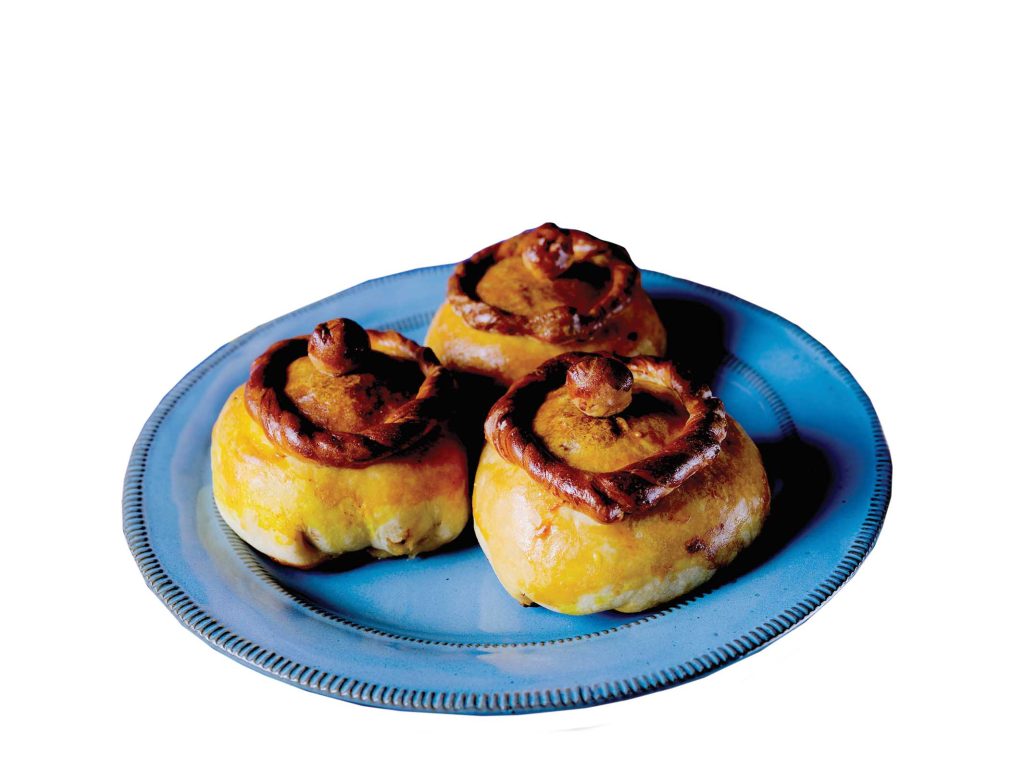
Nelia’s festive chicken pie is a labor of love that honors her Ukrainian roots. The braided crust and fragrant filling symbolize abundance and artistry, values she carries into her life today. Through her food, Nelia shares her belief that culture is preserved not in words, but in the recipes we pass down.
Bring these empowering recipes home
RISE program’s Stories From Afar Cookbook shares graduates’ recipes. The cookbook can be purchased with a donation of $25 through RISE’s website (riseculinaryinstitute.org).
Read more stories like this and all of our Community coverage. And while you’re here, subscribe and get six issues of Salt Lake magazine, your curated guide to the best of life in Utah.