The scariest thing about trick-or-treating isn’t spooky costumes, cheek-pinching neighbors or potentially going home with a bag full of candy corn and Raisinets — it’s the traffic. According to the Utah Department of Health’s Violence and Injury Prevention Program, kids are more than twice as likely to be hit by a car and die on Halloween than any other day of the year. To ensure that doesn’t happen, and to help you avoid other dangers, we spoke with the program’s communication coordinator, Katie McMinn, to get her Halloween safety advice. Even if you think you know it all already, a quick review could mean a happy Halloween away from the ER.
Trick-or-treating “When kids are trick-or-treating, they should never go alone. They should always have an adult with them and always go to familiar areas,” McMinn says. “Go to houses where you know the people who live there, and where the lights are on as a sign of welcome to trick-or-treat.” In addition, McMinn says parents shouldn’t allow kids to enter a home unless they go in with them and know the residents. (We’ve all seen Criminal Minds, right?) While walking through the neighborhood, she says to cross at crosswalks, since drivers are more likely to be distracted, and to go earlier, when it’s still light out, if possible. If you’re deemed totally uncool and an embarrassment to older children who still want to go trick-or-treating, McMinn recommends mapping out a route with them beforehand, so you know where they’ll be getting their candy with their friends.
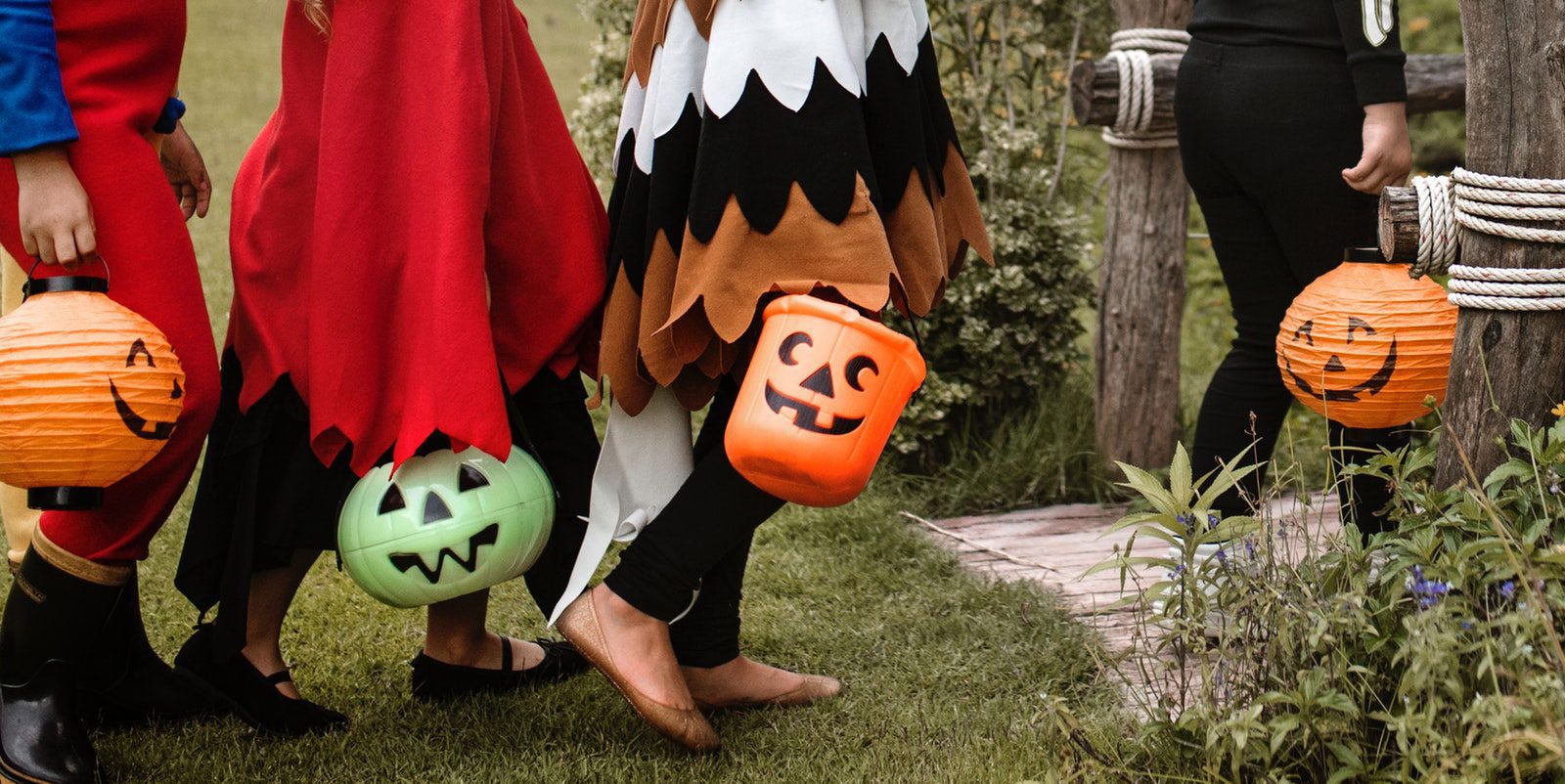
Costumes Costumes can be Halloween safety hazards. For trick-or-treating, McMinn recommends costumes that don’t restrict a child’s ability to walk or see. “For example, a Halloween mask could block a child’s vision, so it’s better to maybe do face paint,” she says. “Make sure they wear enough clothing, so they’re not cold, and wear well-fitting shoes, so there’s no falling.” (Chewbacca may be out, but at least Han Solo is still in.) “One thing parents may not think about is that there are accessories to costumes, like swords and things like that. They should be soft and flexible,” she said. “You don’t want them carrying things that could potentially harm them.” McMinn also suggests adding glow sticks to costumes to make kids easier to see at night. Bringing a flashlight is always a good idea, too.
Drivers Halloween safety is the responsibility of drivers as well. McMinn says to drive slowly during trick-or-treating hours and to anticipate heavier pedestrian traffic. Since many wear dark costumes at night, you’ll want to make sure you’re paying extra attention. (Not going for another pumpkin ale before heading home will help, too.)
Candy While those razor blades you heard about may be urban myths, McMinn says to still check out your kid’s Halloween treats. “Quickly glancing over your kid’s candy is always a good thing, because you never know what people are handing out,” says McMinn, adding that it’s wise to stay away from home-baked goods, since they’re not FDA-approved. McMinn says she knows many parents who discard candies with unwrapped or torn wrappers — for health and safety’s sake, not a bad idea.
Parties & Events Before teens go off to party, McMinn says parents should talk to them about the dangers of drinking and drugs, and to let them know they can call home if they run into any problems. So, you know, actually parent them.
To avoid many trick-or-treating risks altogether, she recommends looking into trunk-or-treats and other events cities and community centers put on. Of course, you can also opt for one of the events on our list of not-so-scary ways to celebrate Halloween.
Visit the Violence and Injury Prevention Program’s website for more tips.
Read more of our family content in our Kid-friendly blog roll.