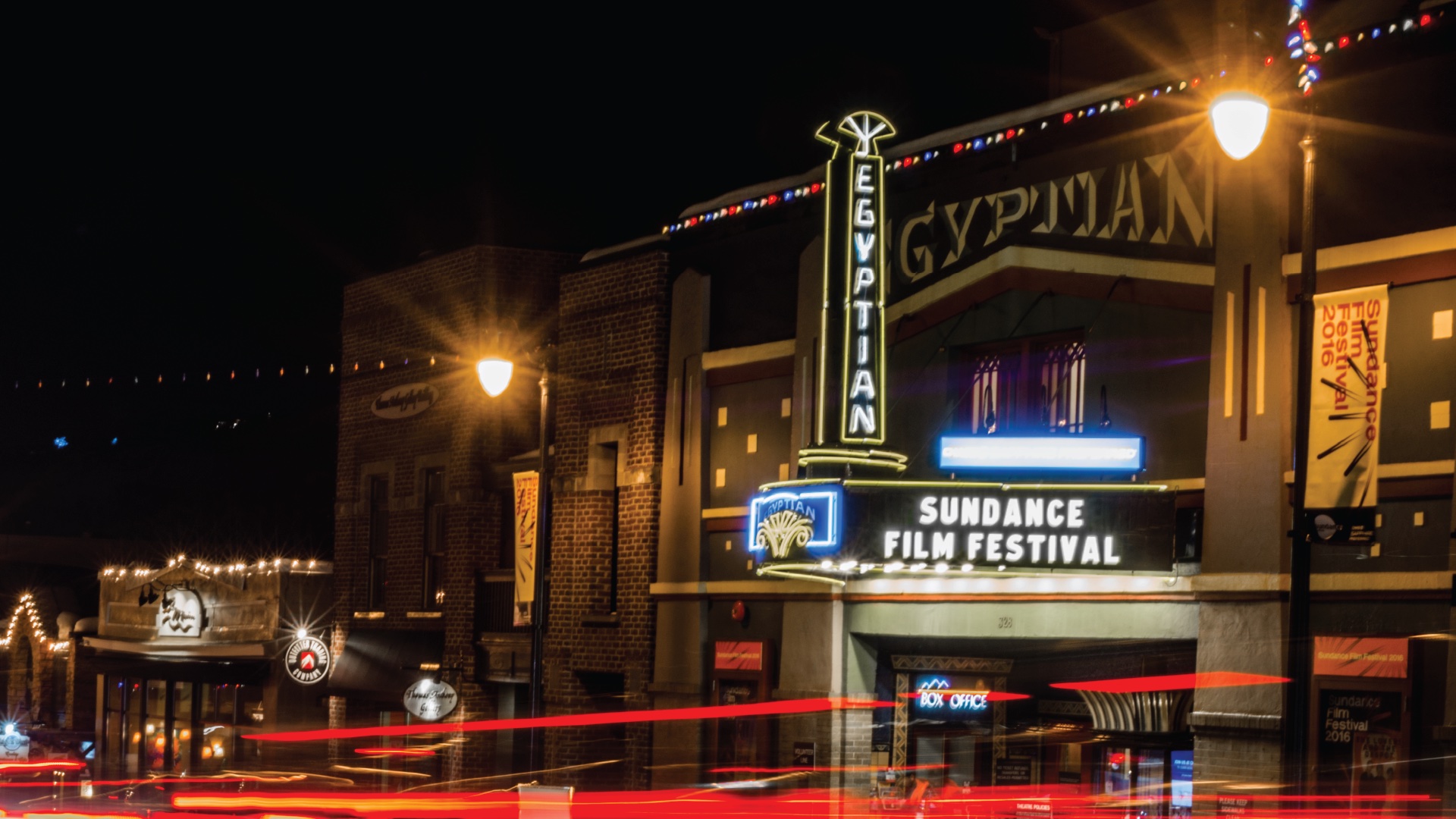
Sundance is winding down, but screenings are still rolling, tickets are still disappearing within minutes, and the conversation surrounding the festival continues to evolve in real time. Unlike festivals that are processed after the fact, Sundance is experienced live, and increasingly, that experience is shaped by Letterboxd, a social platform for film lovers. During the festival, the app functions less as a discussion platform and more as a compass for navigating Sundance’s endless possibilities. Best of all, if you are watching closely, you can still catch the films everybody is talking about.
During the festival, the app functions less like a review platform and more like a group chat. Reactions appear minutes after premieres, sometimes before audiences have fully exited the theater. Star ratings differentiate from screening to screening, and short reviews quietly influence what becomes “unmissable.” The app transforms individual responses into a public consensus almost instantly, turning audience reception into need-to-know information.
Letterboxd Users Function as Film Critics During Sundance
That consensus has landed differently across the festival’s biggest titles. Carousel has arrived on Letterboxd with a thoughtful reception of three stars. Reviews praise the film’s gentleness and its interest in how loss inhibits love, with particular attention paid to Jenny Slate and Chris Pine’s performances. But viewers also note a broken rhythm, pointing to underdeveloped side characters and minor subplots that distract from the film’s emotional core.
The Weight, by contrast, has emerged as one of Sundance’s more broadly embraced titles. Letterboxd ratings sit between three-and-a-half and four stars, positioning the film as a rugged, crowd-pleasing thriller. Reviews highlight Ethan Hawke’s emotionally grounded performance, along with the film’s brutal execution and suspenseful set pieces, frequently invoking comparisons to classic survival and prison narratives. While some note its familiarity and deliberate pacing, the consensus frames The Weight as an indie film that feels unexpectedly classical.
I Want Your Sex sparked a louder, more polarized response. On Letterboxd, reviews emphasize the film’s campy, neon-bright excess, praising Olivia Wilde’s full stylistic transformation and the film’s sharp, often “outrageous humor.” Some viewers criticize its visual aesthetic or argue that it does not meet expectations, but the prevailing tone remains energized. The film is discussed less as a narrative experience than as a vibe, thriving on discomfort, exaggeration, and spectacle.
Perhaps the clearest example of Letterboxd’s influence this year has been with The Moment, a mockumentary starring pop musician Charli xcx. The film’s Letterboxd page became a focal point almost immediately, with reactions shaping its reputation as much as the screenings themselves. What makes this moment distinct is that Charli xcx has acknowledged the reviews, collapsing the distance between creator and audience. In this case, Letterboxd is no longer just documenting reception; it is actively participating in the film’s cultural rollout.
Still, Sundance is not over. Films are still premiering, opinions are still shifting, and Letterboxd continues to refresh. You can catch what everyone is talking about, but the festival also serves as a reminder that watching a film is not the same as watching its audience reception. Letterboxd may have made me watch it, but Sundance reminds me why seeing it at the Film Festival still matters for artists.
More from Caitlyn Homolya: ASCAP Music Cafe Gives Utah Audiences an Encore
Read more of our Sundance festival stories and enjoy all of our Arts and Culture coverage. And while you’re here, subscribe to our print magazine and get 6 copies of Salt Lake magazine each year.
This story is jointly published by Salt Lake magazine and non-profit Amplify Utah to elevate perspectives in local media through student and emerging journalism.