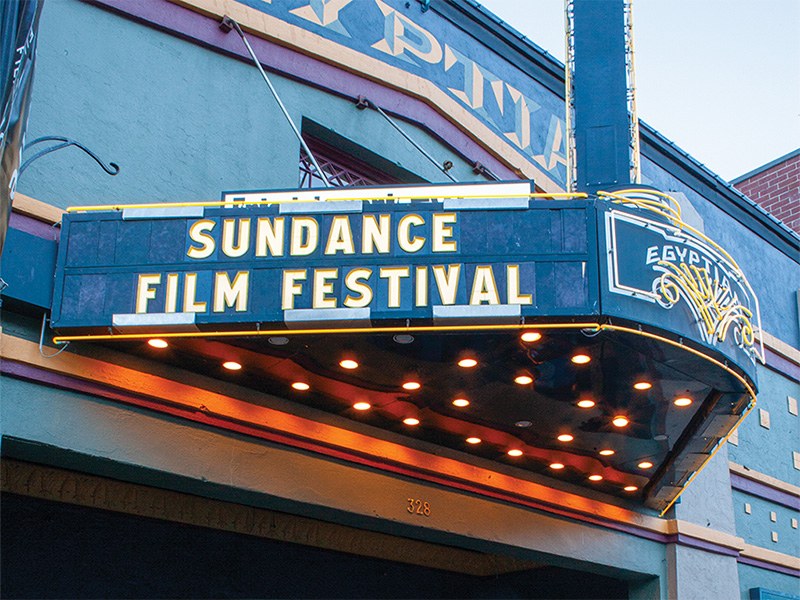
For years, the American Society of Composers, Authors and Publishers’ Music Café has been one of Sundance’s staple must-attend events. A place where conversations about film naturally bled into music and where artists can highlight the importance of music in film. This year, even as the Sundance Film Festival prepares to leave Utah, the café’s presence in Utah remained remarkable.
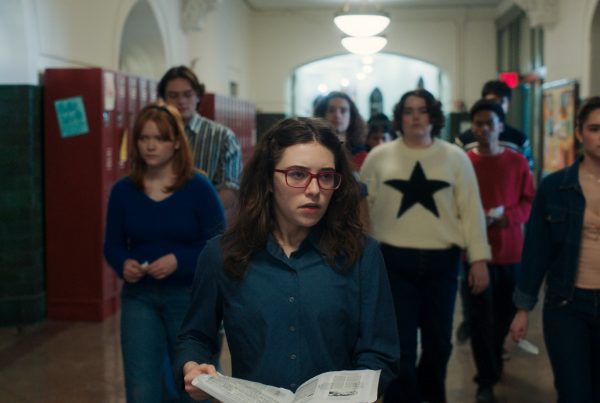
In a panel centered on The Best of Summer, Kathleen Hanna reflected on discovering “a musical community that really cared,” highlighting how artists can find both encouragement and community in unexpected places. Director Tamra Davis echoed that sentiment, noting, “You don’t need Hollywood or thousands of resources to make a movie; sometimes you just need to take the risk, believe in yourself, and make it happen,” emphasizing the collective support that emerges when both musicians and filmmakers collaborate.
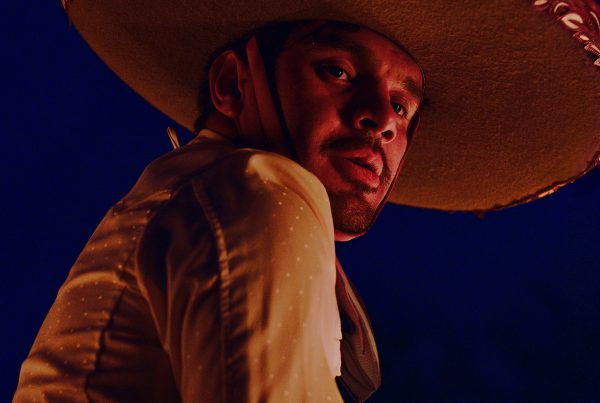
That sense of intentionality continued in conversations around Wicker. Composer Anna Meredith described blending acoustic and electronic elements to give the film a distinct sonic identity, noting that she prefers to, “think dramatically about what we need to do and what the score could do” rather than conform to a specific style or genre. reinforcing the idea that music does not simply accompany a story; it defines it. Directors Eleanor Wilson and Alex Fischer expanded on that theme, emphasizing how sound can shape an audience’s emotional relationship to a film, “Just being back here feels like a warm embrace. We love this place. We love the audiences here—there’s just nothing like it.” said Wilson.
When live performances took over, the café transformed into an intimate concert space. Grammy Award-winning artist Nathalia delivered an R&B set comprised of her hits. . Closing with the lead track from her most recent? EP and her well-known song “I Really Do Love You,” Nathalia’s performance balanced vulnerability and strength, maintaining the room’s full attention.
Singer-songwriter, composer and pianist Emily Bear commanded the audience’s attention with a soft but mesmerizing voice. Only her second live performance in eight years, the set revealed a musician whose confidence comes from deep creative roots, shaped by years of composing for film and television. Though many of her songs are rooted in sadness, they carry an infectious rhythm that makes them feel alive, encouraging the audience to move as the lyrics linger. Celebrating her 20th anniversary with ASCAP, having signed at just five years old, Bear’s presence felt both generous and assured, leaving the crowd visibly moved and eager for more.
During their panel on Monday, Jan. 26, Composer Shelby Gaines and director Padraic McKinley from the film Weight set a tone that leaned even further into connection, describing a collaborative process rooted in character and the emotions that words alone cannot carry. As Gaines explained, “When you have the chance to write before thinking about the music, it helps tremendously, because as a composer you’re really thinking about the characters and what’s going on inside of them.”
Afterward, Ron Artis took the stage, providing a soulful, crowd-engaging performance. “The first battle is always going to be with doubt,” he told the audience, snapping along as the room moved with him. Songs like “Star” and “Pick Me Up” turned the café into a shared groove, culminating in Artis stepping into the crowd, a reminder that this kind of intimacy is rare in the world of live music.
Utah-based artist Josh Kelley brought an entirely different energy. With immediate country vibes, humor and constant ad-libbing, Kelley treated the set with an easy confidence. He joked with the audience, played a guitar he made himself out of a cigar box, and even took requests, blurring the line between concert and conversation. Then came Foxy Shazam, gracing the stage again after their performance on day one. A chaotic, electric and unforgettable. As the band tore through its set, the room pulsed with movement and laughter. It was the final performance of ASCAP’s Music Café in Park City, and it felt like both a celebration and a goodbye.
At its core, ASCAP’s Music Café has always been about connection, just as music, film and the Sundance Film Festival are. As the final notes faded, it was clear that the legacy of these performances and the creative community they fostered will still linger long after the café’s lights go dark.
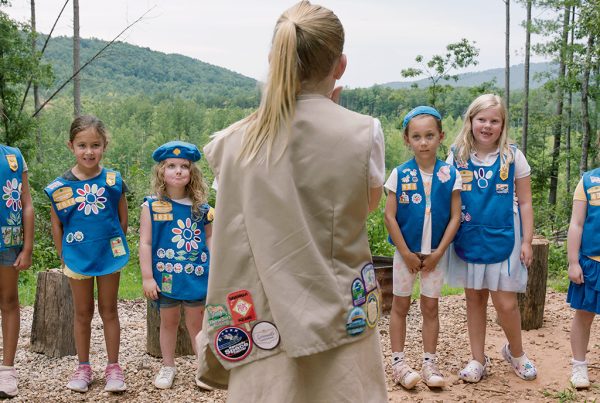
More from Caitlyn Homolya: What Cookie Queens Says About Girlhood Today
Read more of our Sundance festival stories and enjoy all of our Arts and Culture coverage. And while you’re here, subscribe to our print magazine and get 6 copies of Salt Lake magazine each year.

This story is jointly published by Salt Lake magazine and non-profit Amplify Utah to elevate perspectives in local media through student and emerging journalism.