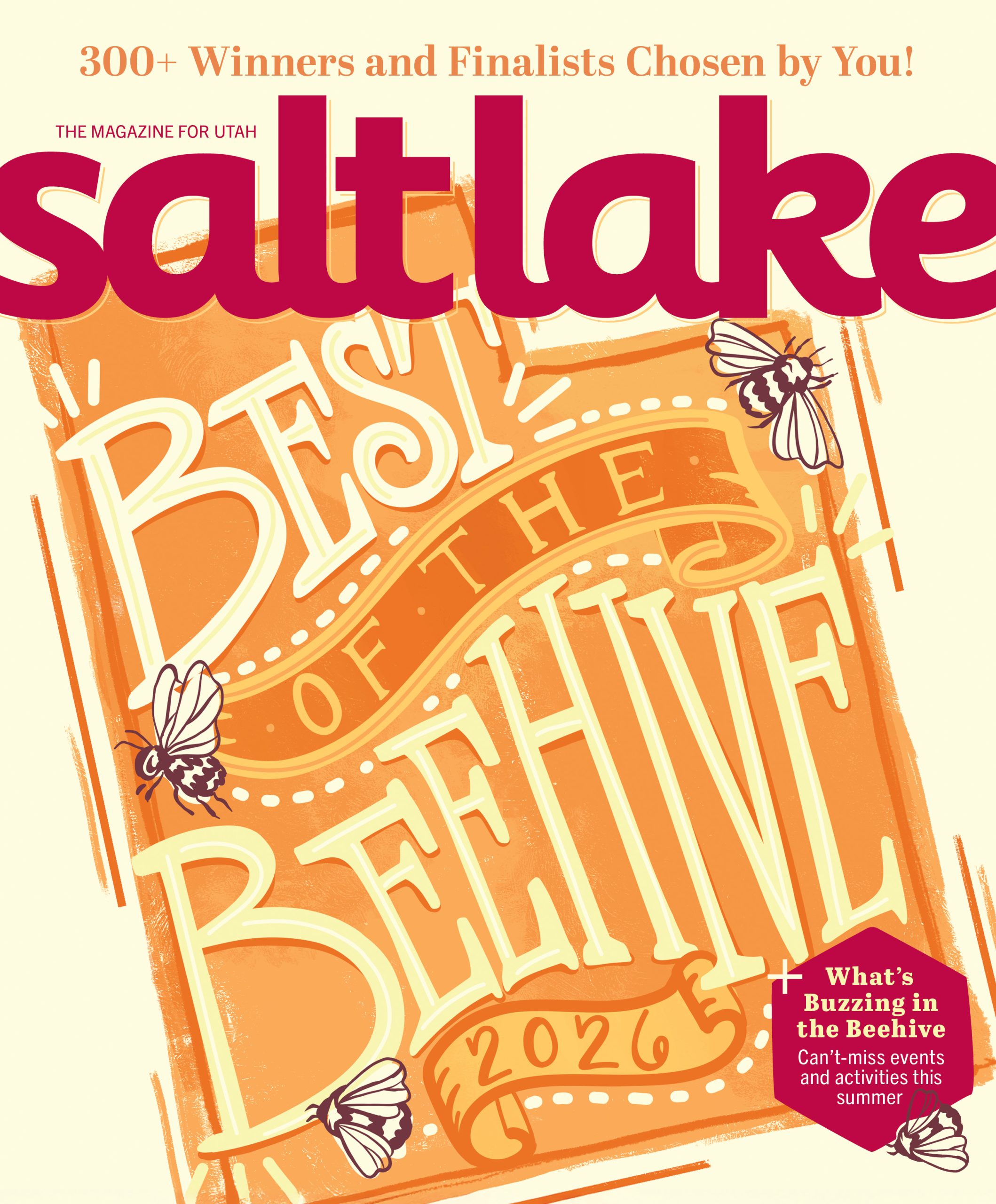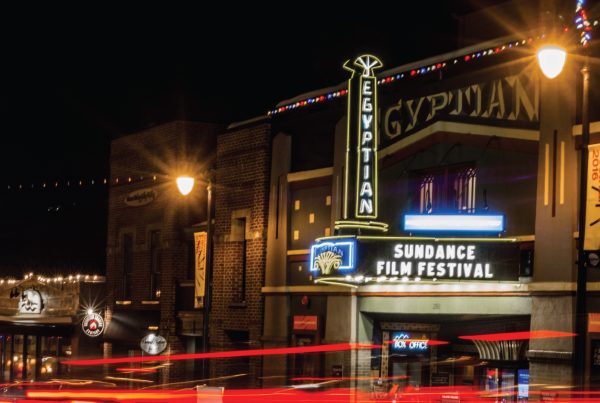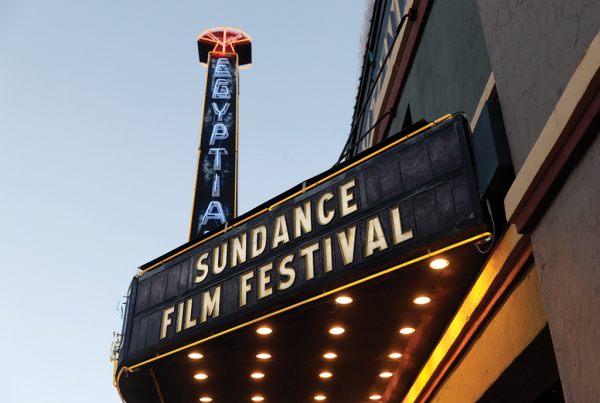
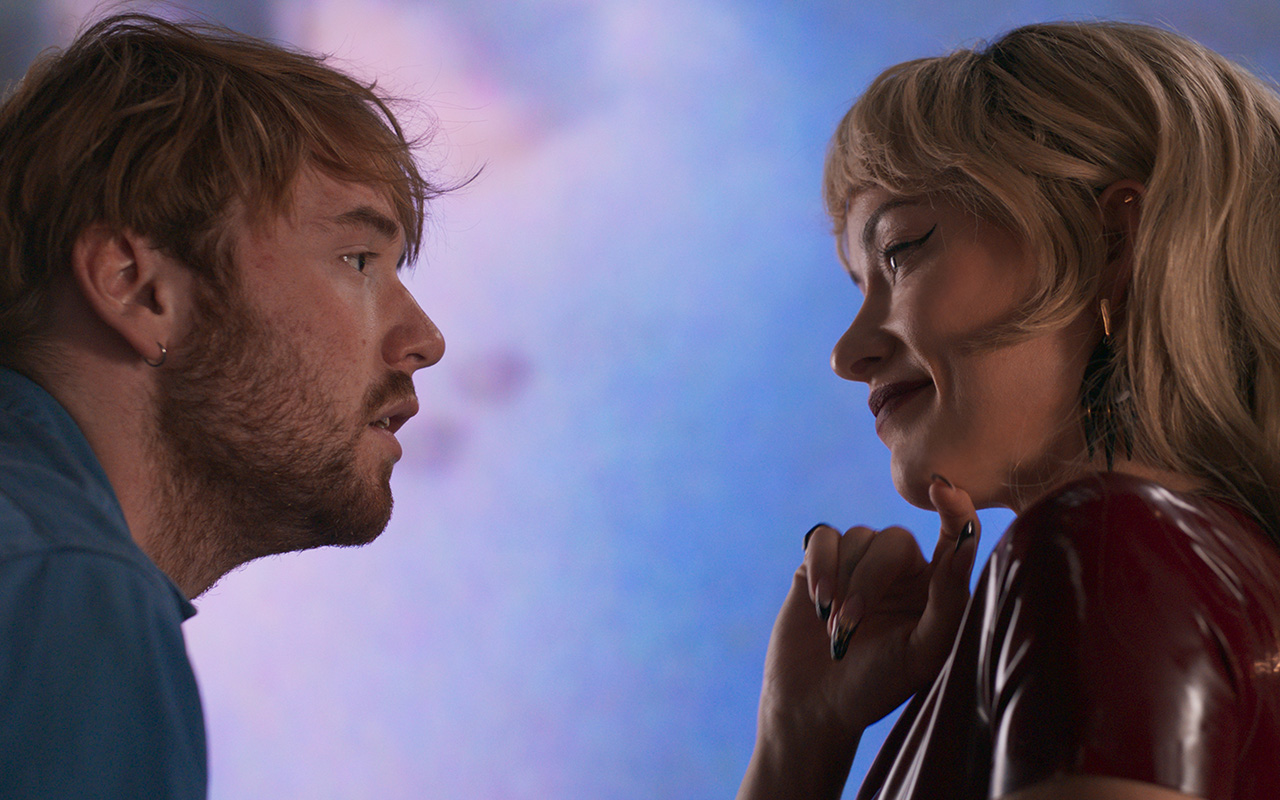
It’s fitting that we bring the curtain down on Sundance in Salt Lake City with Sundance darling Gregg Araki back in the lineup. He arrives in 2026 much as he did in 1992: unapologetic, horny, deeply in love with cinema, and clad in a black T-shirt. Araki’s eleventh—and final—Utah installment starts with a bang and ends with a (sexual) whimper. I Want Your Sex follows the tragically comedic love story of Elliot (Cooper Hoffman), a sexually inexperienced Gen Z poster boy and kinky pop artist Erika Tracy (Olivia Wilde).
Araki uses Elliot as a conduit to explore the perverted nature of being human, inviting us to peer into our animalistic, kinky desire without shame or embarrassment. He satirizes sex the same way he skewers the contemporary art world. “Contemporary art is a scam, you know that, right?” Erika tells Elliot as they stare at a $20,000 painting of the word Fuck she’s just purchased. In Araki’s candy-colored universe, art is fun, art is sex, and sex is joy—absurd, transactional, and sincere all at once.
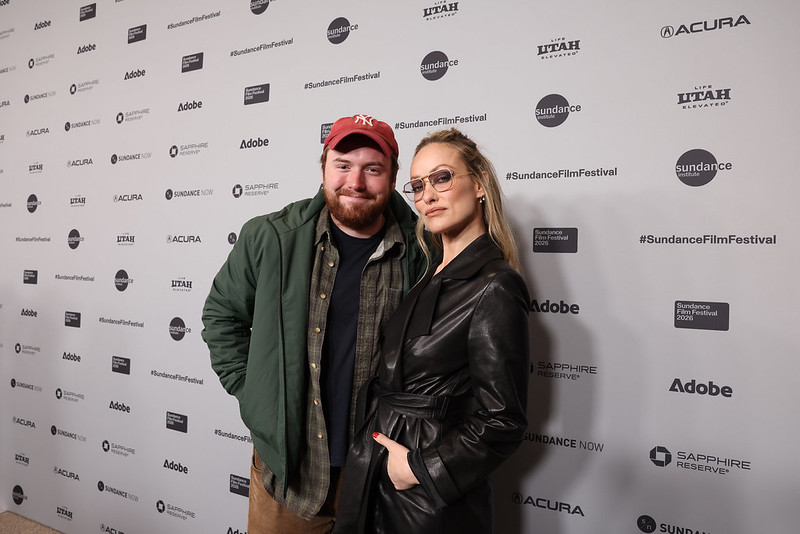
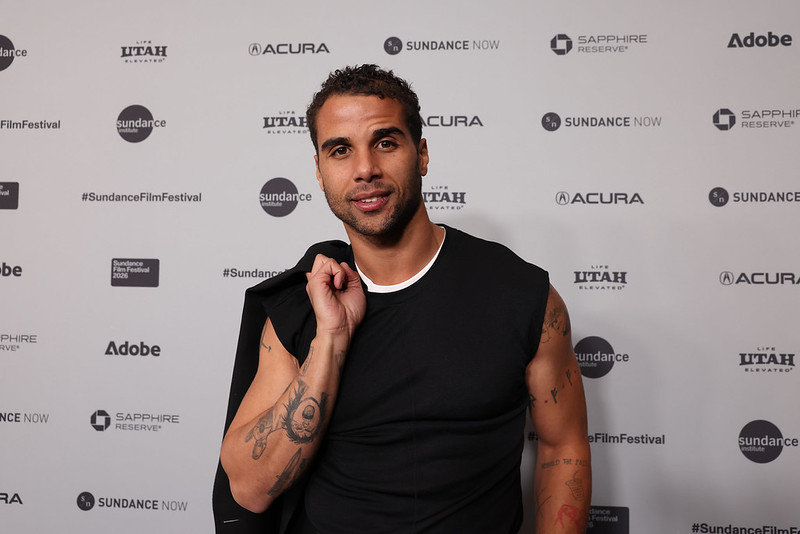
With bright red lips and dipped in latex, Olivia Wilde perfectly embodies the camp excess of Erika Tracy, our dominatrix, guiding Elliot down a rabbit hole of sexual depravity. She’s confrontational and overconfident in her perverseness —a walking provocation designed to unsettle and entice Elliot. But the relationship wouldn’t work without Cooper Hoffman matching her energy beat for beat. Hoffman grounds the chaos with a performance that’s eager yet unsure, aroused yet terrified. Together, they create something that’s obsessive, carnal, and laugh-out-loud uncomfortable. That discomfort is the point.
Araki uses Erika’s brashness to bemoan Gen Z’s fear of intimacy and vulnerability— our so-called era of “retro sex negativity.” Erika taunts, “You’re all dying to fuck but you’re too chickenshit to admit it.”, a reminder to us that desire is messy, embarrassing, and often humiliating—but you can’t truly experience life, or intimacy, without being willing to squirm a little first.
Araki described I Want Your Sex as a family-friendly raunchy film—an accurate assessment, considering the BDSM rarely ventures beyond giant neon dildos and kitschy pet play. Ultimately, the film is less an exploration of sexuality than a celebration: of art, of sex, and of the messy space where eroticism ends and performance begins. It’s theatrical desire—sex as costume, joke, and confession.
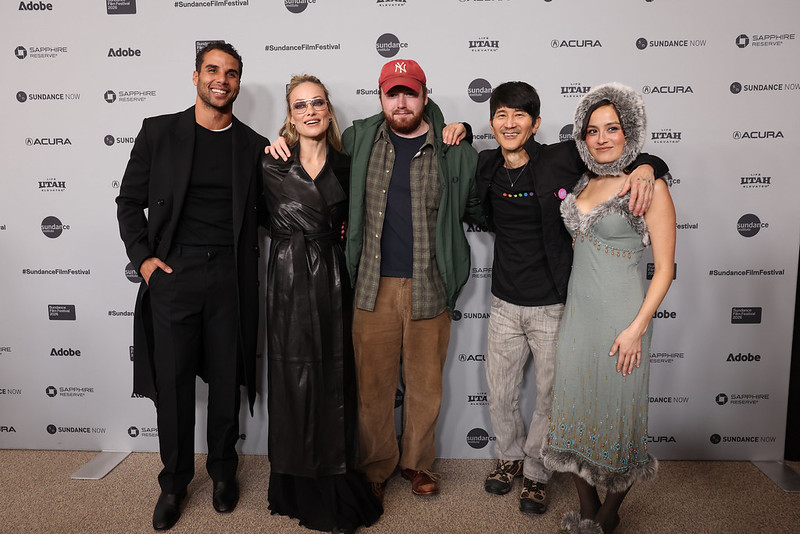
Knowing it took Araki ten years to complete the film, you can feel the love carved into every maximalist frame, every gaudy color choice, every perfectly timed beat of humorous discomfort. There’s joy here—real joy—not just on screen, but reflected back from the audience. I heard it in the laughter racing through the theater, that collective recognition of something naughty, ridiculous, and oddly tender. This is a punchy, tongue-in-cheek fantasia where art fucks sex, sex fucks art, and we all end up laughing together.
Read more of our Sundance festival stories and enjoy all of our Arts and Culture coverage. And while you’re here, subscribe to our print magazine and get 6 copies of Salt Lake magazine each year.