The thud of the ball against boards and the subsequent clatter of scattering pins is a familiar soundtrack. From the birthday parties of our wistful youth to the Lebowski-esque escapism of adulthood, the bowling alley has served as the quotidian cultural center of our communities. For the past decade Jupiter Bowl’s been that hub in Park City. But after it shuttered its doors last fall in the face of rising rent costs, there’s a void in town.
“We all bowled as kids. Our parents bowled. Our parents’ parents bowled. It’s just what we did,” says Amy Baker, owner of Jupiter Bowl. “We thought Jupiter Bowl would be really valuable to the community. We would have been happy just to break even. And if we could have, we would have stayed open forever.”
Baker and her partners ran Jupiter Bowl at a loss for 10 years. The third rent hike proved too much, costing Park City a locally owned and operated institution.
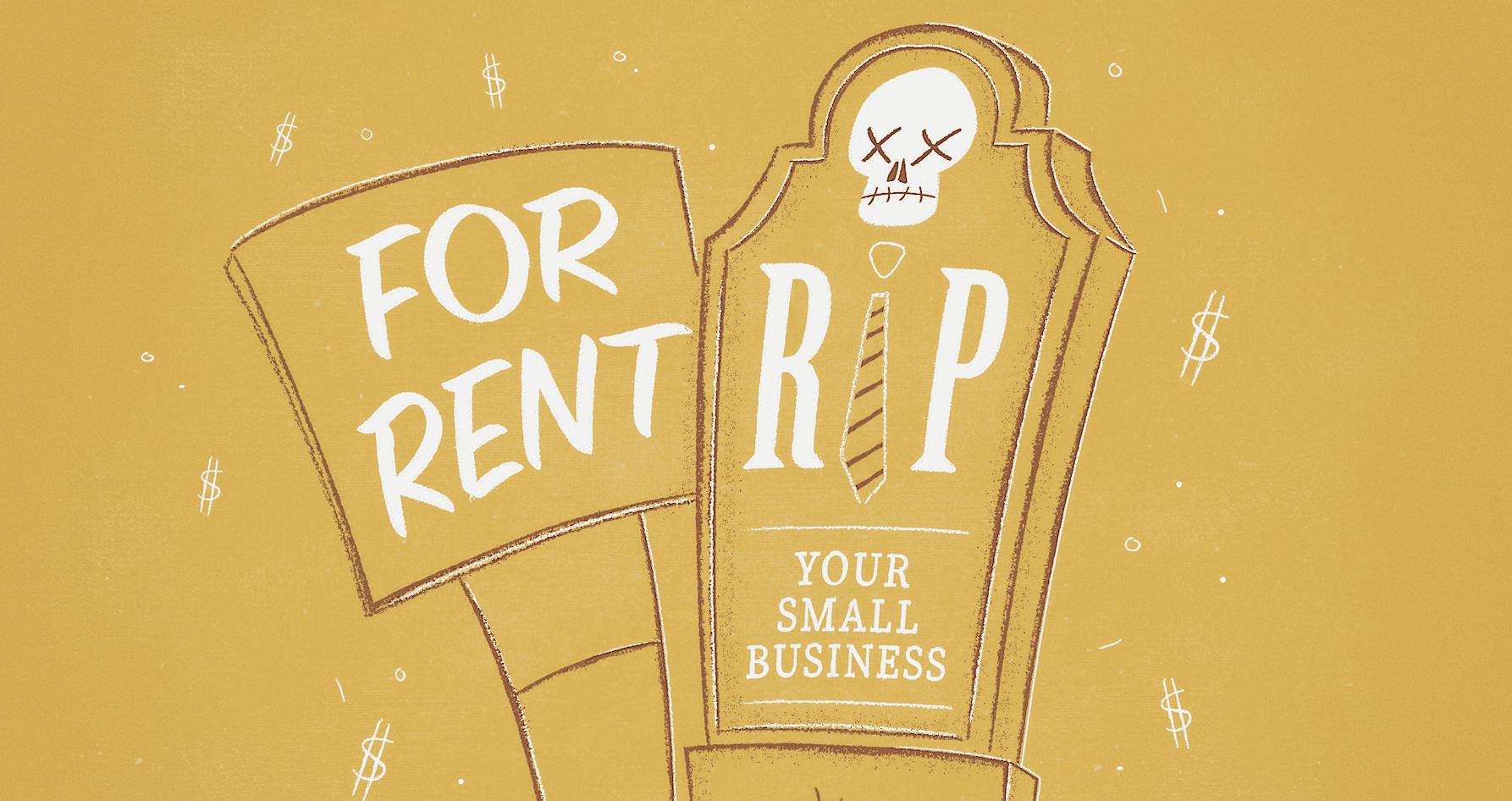
The closure contributes to growing anxiety about a cost-driven transformation in Park City that’s threatening the viability of local businesses. A fickle, seasonally dependent resort market is difficult enough, especially when combined with some of the highest lease prices in the state.
“There’s still a small full-time community here, so we rely on three big weeks a year in wintertime. You just can’t survive on that,” Baker says. Baker declined to disclose exact figures, but based on the going rates in Park City, the costs to run the 23,000 square-foot bowling alley, restaurant and entertainment center were likely astronomical.
“Park City is essentially divided into four commercial pods: Main Street, Prospector, Kimball Junction and Silver Creek,” Katie Wilking Clinard, Park City Commercial Division Director for Cushman Wakefield, said. “In all those areas, costs are still going up, though it’s held relatively steady for the past 12 months. People want to be here and there’s lack of vacancy. It doesn’t look like that’s going to change.”
Wilking Clinard provided us with approximate triple net lease fees (NNN) for each of Park City’s commercial pods, which are the annual, per-square-foot costs for rent, utilities, taxes, building insurance and maintenance a tenant agrees to pay. NNN Fees are $65-75 along Main Street, $20-30 in Prospector, $24-29 in Kimball Junction and $17-21 in Silver Creek. Add to that increasing employee costs required to remain competitive in Park City—with its dearth of affordable housing and largely commuter-based workforce—and you begin to understand the difficult calculus business owners are faced with in Park City.
Average Retail Space Cost Per Square Foot:
Salt Lake City
$25.23
vs.
Main Street, Park City:
$70
Average Monthly Cost for 2,500 Square Foot Retail Space:
Salt Lake City:
$5,416
vs.
Main Street, Park City:
$14,583
Average Retail Sales Associate Hourly Pay Rate:
Salt Lake City:
$11.41
vs.
Park City:
$17.56
Some Park City businesses get creative to stay ahead. On Main Street, Prospect—a clothing store—Billy’s Barber Shop and Pink Elephant Coffee have created a thriving co-working space in one building. It helps to split costs, and walk-in customers for each separate business complement the other tenants. Other businesses have moved operations to the Salt Lake Valley where costs are lower. Park City Brewery recently moved their production to a shared facility in South Salt Lake with Shades Brewing, which also used to brew in Park City. Park City Brewery, however, is opening a new taproom in Kimball Junction to maintain a presence in Summit County. Boutique bamboo ski pole manufacturer Soul Poles moved out of their facility on Munchkin Road last summer. Though rent prices in that specific area were substantially lower than other areas, the location was not a long-term solution as that property is being bulldozed along with several others in April as part of the upcoming Park City Arts and Culture District.
A town inundated with single-branded shops like Patagonia, The North Face and Lululemon looks like any other. “If all we have are chain stores, you can get everything online. There’s no reason to come to town, and you risk losing all our local charm,” Wilking Clinard says.
A born-and-bred Park City local, she stresses it’s not all doom and gloom. “Communication between parties to find creative solutions that work for everyone is vital. Whether that’s creating unique payment schedules or helping arrange co-working spaces, I’m proud to help keep a local identity in Park City.”
The city hasn’t sat idly by either. In 2017 the City Council passed an amendment which capped the number of chain stores in the immediate Main Street area. Mayor at the time Jack Thomas espoused the need to “balance business and authenticity” in Park City, which is more important than ever as growth and development continue. High commercial rent prices in Park City aren’t going anywhere. The city is doing what it can. Commercial real estate experts like Wilking Clinard are chipping in too. What can we do? It’s simple. Vote with our wallets and support the local businesses that lend Park City its identity.
For more articles on Park City, click here.